
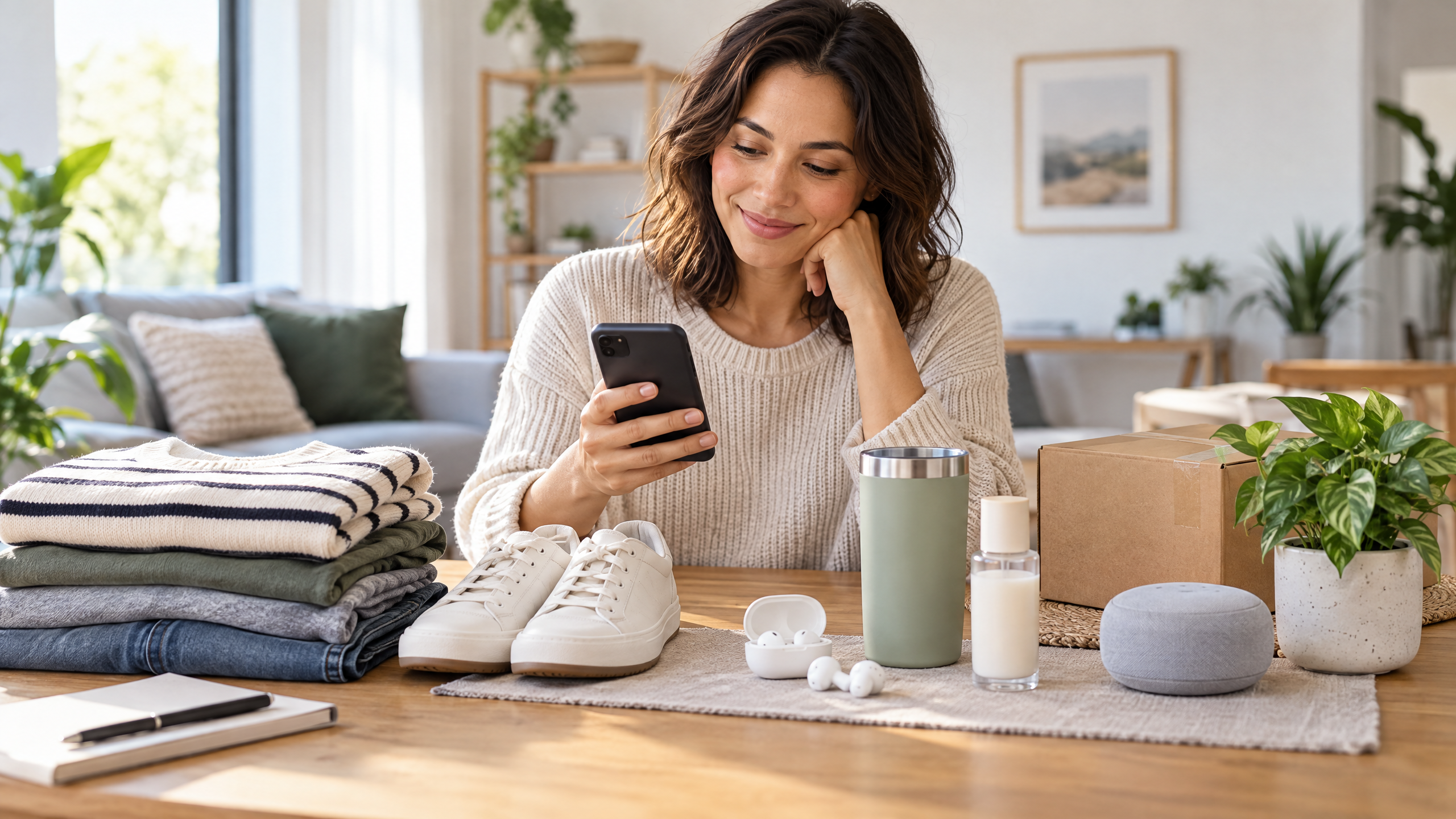
Online shopping makes it easy to discover something new every day. A product may become popular because it solves a real problem, looks useful in a short video, or is recommended by a friend. But a product that is trending is not automatically the right choice for every shopper.
A useful place to start is with the categories people are actually buying. DHL’s 2026 E-Commerce Trends Report surveyed 29,000 online shoppers in 29 countries. Among shoppers who bought from international retailers, clothing was the most common category, followed by footwear, electronics, cosmetics and toiletries, food and beverages, and home furnishings. The reported figures were 67% for clothing, 51% for footwear, 48% for electronics, 47% for cosmetics and toiletries, 38% for food and beverages, and 37% for home furnishings. These are survey results about cross-border shopping, not a global ranking of individual products or a guarantee that the same categories lead in every country. DHL explains the survey and its findings here.
Product categories shoppers are watching
Clothing and footwear remain strong online categories. They are convenient to browse, but fit can be difficult to judge from a screen. Before ordering, check the size chart, fabric details, seller location, delivery estimate, and return cost. Customer photos can help, but compare several reviews rather than relying on one post.
Electronics and everyday gadgets attract shoppers who want practical upgrades, from headphones to smart-home devices. A lower price is not always a better deal. Check whether the product works with your phone or computer, what warranty is included, who will handle repairs, and whether the seller is an authorized retailer. Read the product specifications instead of judging it by a polished image or a long list of features.
Beauty and personal-care products are easy to discover through creators and social feeds. For skincare or cosmetics, check the full ingredient list, packaging, seller reputation, and return policy. Be cautious of dramatic claims such as guaranteed results or instant transformations. If a product may affect your health or skin, seek advice from a qualified professional rather than relying only on an advertisement.
Home furnishings and small home upgrades can make a room more comfortable without a major renovation. Measure your space before buying. Confirm the product’s real dimensions, materials, assembly needs, delivery fees, and return conditions. A carefully styled photo can make an item look larger or more luxurious than it is.
Food, drinks, and subscription products can be convenient, especially when shoppers want to reorder familiar items. Check expiry dates, storage instructions, delivery conditions, and whether a subscription renews automatically. Make sure you know how to pause or cancel before placing the first order.
How online shopping is changing
Products are no longer discovered only through store shelves or search results. Social platforms, online marketplaces, retailer apps, and AI tools are all shaping what people see. A 2026 McKinsey consumer survey found that 28% of Gen Z respondents said they already use generative AI tools for shopping, compared with 16% of Baby Boomers. The survey covered consumers in Brazil, France, Germany, the United Kingdom, and the United States, so the results should not be treated as a measurement of every country or age group. Read McKinsey’s findings and survey context.
AI can help shoppers compare product features, summarise reviews, or build a list of options. It can also misunderstand a product or repeat outdated information. Use it as a starting point, then verify important details on the retailer’s page and the manufacturer’s official website.
Social shopping can be helpful for discovering new ideas, but popularity is not proof of quality. DHL’s 2026 report found a gap between businesses and shoppers: 63% of businesses surveyed sold through social channels, while 45% of shoppers said they bought through social commerce. That is a reminder to pause before buying from a viral post. Check whether the seller has a real contact method, clear delivery and refund terms, and independent reviews.
A simple checklist before you buy
First, compare the total cost—not only the price shown in the advertisement. Add shipping, taxes, import charges, and any subscription fee. Next, check the seller name and return policy. Look for clear product specifications and recent reviews that describe both good and bad experiences. For electronics, confirm compatibility and warranty. For clothing, compare measurements. For beauty and food products, check ingredients and expiry or storage information.
Finally, be cautious of pressure tactics. A countdown timer, “only one left” message, or unusually large discount may be real, but it should not rush you into sharing payment details. Use a secure checkout, keep your order confirmation, and avoid sending sensitive information through a direct message.
The best trend is buying what genuinely helps
The most useful online-shopping trend is not a single must-have product. It is having more ways to discover options while learning to compare them carefully. Clothing, footwear, electronics, beauty, food, and home products are popular areas in cross-border online shopping, but the best choice depends on your needs, budget, location, and the seller’s reliability.
Before you add a trending item to your cart, ask one simple question: would I still want this if I had not seen it in an advertisement or viral post? If the answer is yes—and the product, seller, total price, and return terms all check out—you are in a much better position to shop with confidence.
Leave a Reply